Landscaping, Lawn Care, and Irrigation Services in Snohomish County, WA
Landscape Design in Snohomish County, WA
Snohomish County’s landscape diversity requires design intelligence that national approaches do not provide. The soil transitions across the county from the denser clays of the lowland corridor to the better-draining glacial soils of higher elevation areas. Canopy conditions range from mature Douglas fir and cedar groves on established properties to bare construction lots with compacted subsoil and no established root zone.
Our landscape design in Snohomish County, WA process begins with site assessment in every case. We do not apply a template. We read the soil, the drainage, the canopy, the light patterns, and the maintenance capacity before specifying a single plant. Plans are produced with plants at mature size, drainage provisions documented, and soil amendment recommendations tied to what the site’s native conditions actually require.
Year-round visual interest is a design objective, not an afterthought. We layer plants with different seasonal contributions so the landscape holds its character through the county’s wet winters and dry summers rather than collapsing after the spring bloom finishes.
Lawn Care and Maintenance in Snohomish County, WA
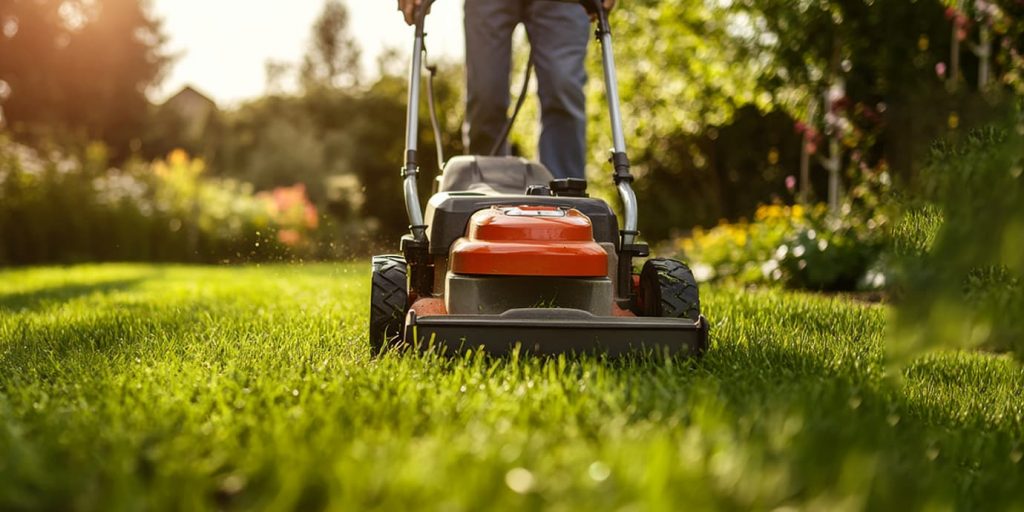
Lawn care and maintenance in Snohomish County follows the wet-dry rhythm that western Washington imposes on every turf program. The fine fescue and perennial ryegrass blends that perform best here respond to treatment timing as much as treatment content. Pre-emergent weed control applied before soil temperatures hit the germination threshold prevents the season’s weed pressure rather than treating its results. Fall fertilization applied while roots are still active stores nutrients through winter and improves spring green-up directly.
Our programs account for the specific conditions of each property and zone. A lawn under mature Douglas fir canopy in Mukilteo requires a fundamentally different program than an exposed south-facing turf zone in Marysville. We assess before prescribing.
Commercial Lawn Care in Snohomish County, WA
Snohomish County’s commercial landscape spans apartment communities, office parks, retail centers, healthcare campuses, and industrial properties across a county that has been growing steadily for two decades. Each property type carries different exterior standards and different consequences when maintenance falls behind.
Our commercial lawn care in Snohomish County, WA programs are built on structured annual schedules documented in writing. Turf assessment, seasonal fertilization, weed management, aeration, and irrigation oversight are coordinated as a connected program. Property managers receive written visit records that eliminate ambiguity about what was completed and when.
Residential Landscaping in Snohomish County, WA
Residential landscaping in Snohomish County covers an enormous range of property conditions and homeowner goals. Established Silver Lake or North Everett properties with mature canopy and existing bed structures need a different approach than newer Mill Creek or Lake Stevens developments where the landscape is starting from a construction baseline.
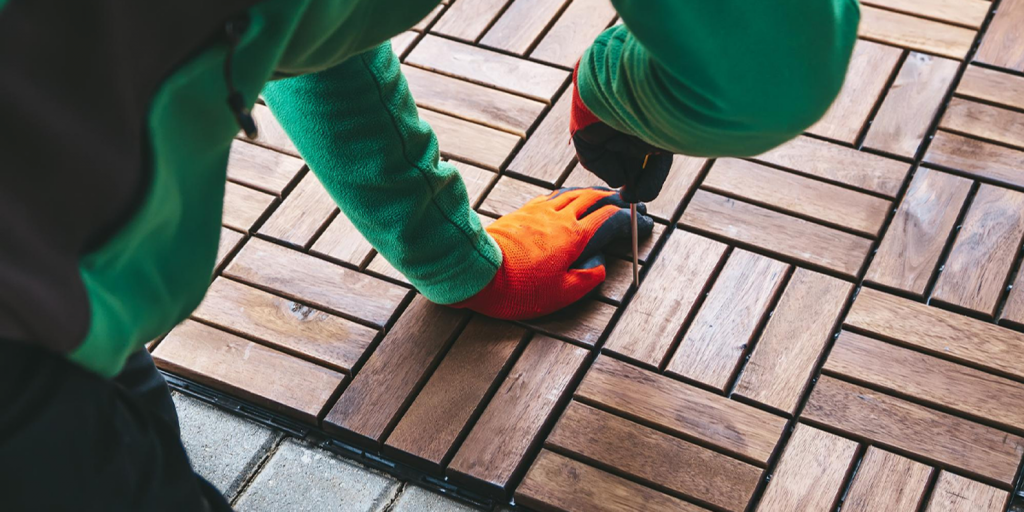
We work across both ends of that range and everything between. Design consultation, planting installation with climate-adapted species, lawn care, irrigation system installation and maintenance, seasonal color programs, and year-round maintenance are available as a unified program or as individual services depending on what each property requires.
Irrigation Installation in Snohomish County, WA
Irrigation installation in Snohomish County, WA demands a design process grounded in the specific soil and pressure conditions of the property rather than a standard system applied from a catalog. Clay-heavy lowland soils require application rates matched to infiltration rate. Properties at higher elevation with better-draining soils need different zone specifications. Available pressure at the point of connection varies significantly across the county and must be verified rather than assumed.
Smart ET controllers are standard on all new commercial installations and recommended for residential systems throughout the county. They eliminate the fixed-schedule overwatering that is endemic to Snohomish County commercial properties in June and the underwatering those same schedules produce in August.
Irrigation Repair in Snohomish County, WA
Irrigation systems in Snohomish County face the same drift and degradation patterns that affect all Pacific Northwest systems. Frost heave shifts head aim. Clay soil movement during winter saturation displaces lateral runs. Nozzle wear reduces throw radius over seasons of daily operation. Valve diaphragms degrade toward slow pressurization.
Our irrigation repair in Snohomish County, WA service begins with a full zone-by-zone assessment rather than a component replacement. We identify the root cause of performance loss, complete repairs within the same service window where possible, and provide written documentation of all findings and completed work.
Landscape Maintenance in Snohomish County, WA
Landscape maintenance in Snohomish County is a year-round requirement across the county’s mild, wet climate. Turf continues to grow through much of winter. Moss establishes in wet conditions with considerable ambition. Drainage infrastructure accumulates organic material across the county’s heavy canopy communities at rates that make fall clearing essential to winter performance.
Our maintenance programs are structured around actual growth patterns and the specific conditions of each property rather than fixed calendar schedules that ignore seasonal variation. Visit frequencies respond to what the landscape actually requires in each month of the year.
Landscape Contractor in Snohomish County, WA
Lawn Care in Snohomish County, WA
Communities We Serve Across Snohomish County
| South County | Central County | North County |
|---|---|---|
| Bothell | Everett | Marysville |
| Lynnwood | Mukilteo | Arlington |
| Mountlake Terrace | Mill Creek | Lake Stevens |
| Edmonds | Monroe | Snohomish |