Why Commercial Lawn Aeration and Cleanup Services Matter More Than You Think
Most commercial properties in the Pacific Northwest deal with the same seasonal problem: compacted soil, heavy thatch buildup, and landscapes that look tired before winter even ends. Commercial lawn aerator service in Everett is not just a maintenance checkbox. It is one of the most impactful investments a property manager or business owner can make to protect turf health, reduce long-term costs, and maintain curb appeal that reflects well on the business.
At Perfect Touch Landscapes, we have been doing this work long enough to see how the properties that prioritize aeration and cleanup consistently outperform those that skip it. The difference shows in the grass, in the soil structure, and in how the property looks to every person who walks through the door.
What Commercial Lawn Aeration Actually Does to Your Soil
Aeration is the process of creating small openings in turf to relieve compaction, improve water infiltration, and allow nutrients to reach the root zone. For commercial properties with heavy foot traffic, vehicle movement near turf edges, or dense clay soil, compaction is not a seasonal issue. It is a structural one.
When soil becomes compacted, grass roots cannot expand. Water runs off instead of absorbing. Fertilizer sits on the surface instead of reaching where it matters. Over time, turf thins, weeds move in, and the property starts to look neglected even with regular mowing.
Core aeration, the method we use most often, removes small plugs of soil and deposits them on the surface where they break down naturally. This creates immediate relief for root systems and opens pathways for air, water, and nutrients. The results are not cosmetic. They are structural.
Why Everett Properties Have Unique Turf Challenges
Everett and the surrounding Snohomish County area sit in a climate that creates specific turf stress patterns. The wet winters saturate soil deeply. The relatively dry summers then bake that moisture-laden clay into dense, compacted layers. Properties that do not address this cycle year over year end up with turf that looks acceptable after spring rains but deteriorates quickly as summer progresses.
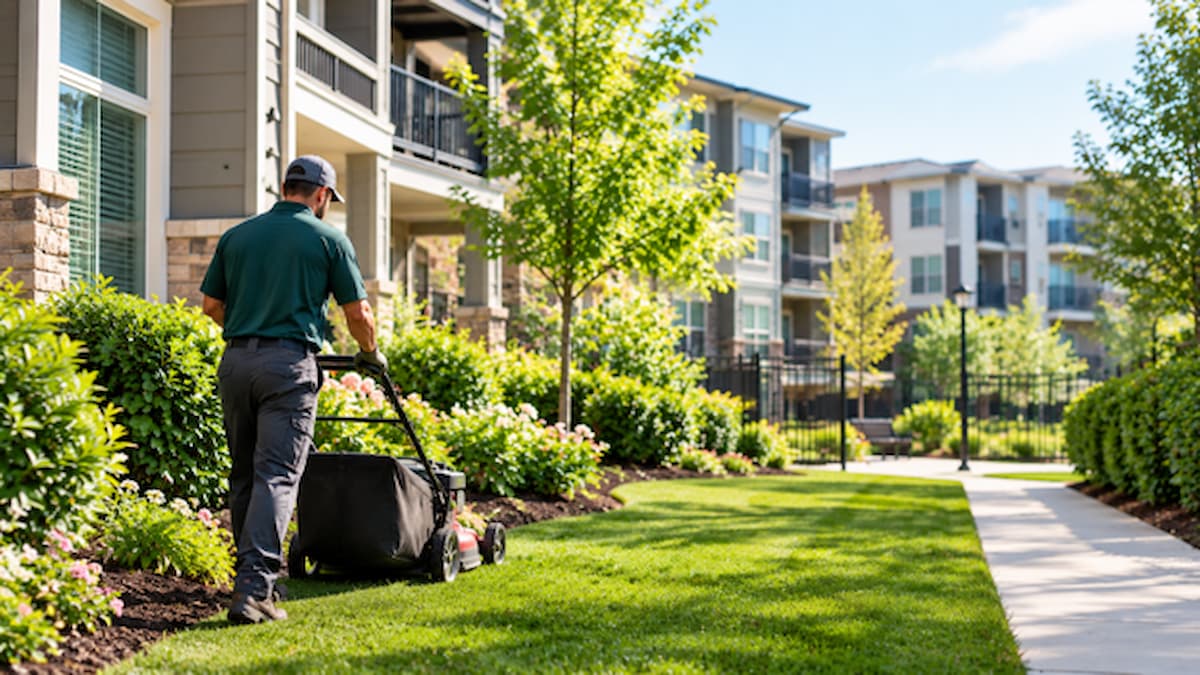
Commercial properties also deal with concentrated traffic patterns that residential lawns rarely see. Delivery routes, employee parking overflow, outdoor seating areas, and event foot traffic all create compaction hotspots that standard mowing and fertilizing cannot resolve.
We work with property managers across Everett who have seen first-hand what targeted aeration does. Turf that was thinning and discolored recovers within a single growing season when the compaction issue is actually addressed rather than managed around.
How to Evaluate Whether Aeration Is Right for Your Property
Not every commercial lawn needs aeration on the same schedule. Some indicators suggest it should move to the top of the priority list:
- Water pools on turf after rain rather than absorbing within an hour
- Turf feels unusually firm when you walk on it
- Bare or thin patches appear in high-traffic zones despite regular fertilizing
- The thatch layer exceeds half an inch when you probe the turf edge
- New grass seed fails to establish in areas where it has been applied
Any one of these is worth investigating. Multiple indicators together suggest compaction is the primary problem, and aeration is the most efficient solution.
| Indicator | Likely Cause | Recommended Action |
| Water pooling on turf | Soil compaction | Core aeration + grading review |
| Thin turf in traffic zones | Root suffocation | Aeration + overseeding |
| Seed not germinating | Dense surface layer | Aeration before seeding |
| Excessive thatch buildup | Poor decomposition | Dethatching + aeration |
| Fast surface runoff | Hardpan layer beneath turf | Deep-tine aeration |
What a Professional Commercial Lawn Cleanup Service in WA Delivers
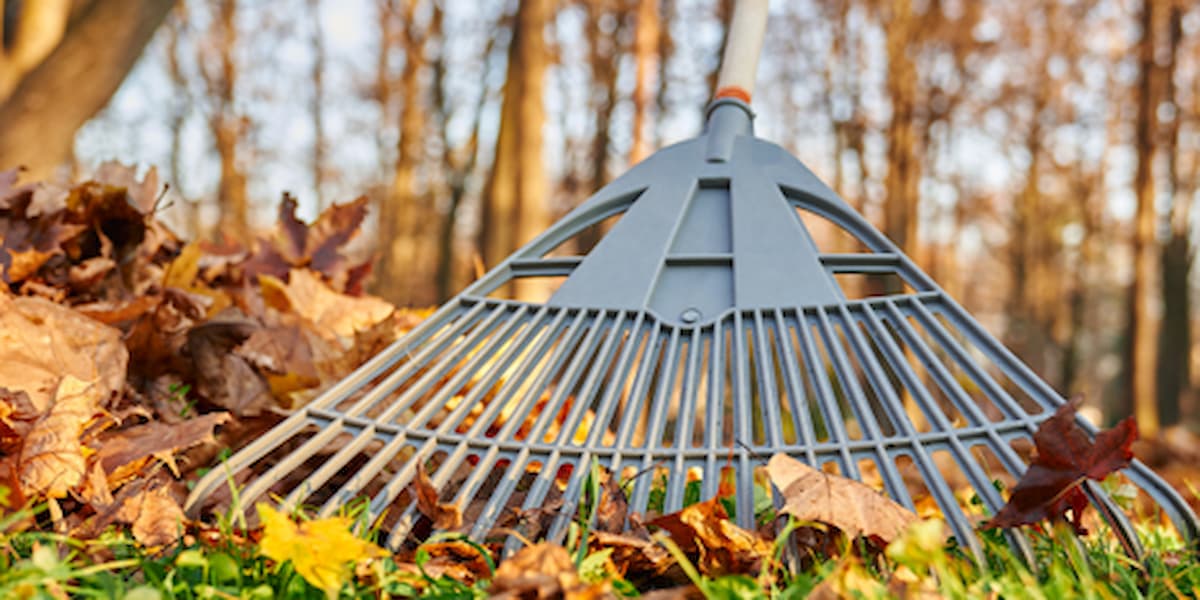
Aeration works best when it is part of a broader seasonal maintenance approach. A commercial lawn cleanup service in WA that runs before or after aeration removes debris, dead material, and accumulated thatch that would otherwise block the benefits of the core work.
We approach commercial cleanups as preparation, not just presentation. Before aeration, cleanup removes the layer of material that would clog equipment and reduce the depth of core penetration. After aeration, cleanup removes the soil plugs once they dry, leaving a clean surface that recovers more evenly.
For larger commercial accounts, we coordinate cleanup with aeration on the same visit where site conditions allow. This reduces disruption to business operations and cuts the total time turf is in recovery mode.
Aeration vs. Overseeding: When to Combine Treatments
One of the highest-value combinations in commercial turf care is aeration paired with overseeding. The open channels left by core removal create ideal seed-to-soil contact that would take significant effort to replicate any other way.
For commercial properties trying to thicken thin turf, reduce bare patches, or shift toward a more drought-tolerant grass variety, overseeding immediately after aeration shortens the establishment timeline considerably. The seed reaches the root zone directly, faces less competition from thatch, and has better access to moisture.
We typically recommend this combination in late summer through early fall for Everett properties. Cooler temperatures reduce heat stress on new seed, and fall rains support germination without requiring heavy irrigation.
Seasonal Timing and Scheduling Considerations
Timing aeration correctly matters as much as the process itself. Aerating during peak stress periods, mid-summer heat or early winter freeze, limits recovery and can cause more harm than benefit.
For cool-season turf common to the Everett area, the optimal windows are:
- Early spring (March to April): Before warm-season growth begins, soil is workable but not saturated
- Late summer to early fall (August to October): Best window for aeration plus overseeding; recovery is strong before winter
- Post-season cleanup (November): Removes debris and prepares turf for dormancy without stressing root systems
For properties with heavy clay soil, we sometimes recommend fall aeration specifically because the freeze-thaw cycle over winter further breaks down soil structure in the core channels, compounding the benefit through spring.
Frequently Asked Questions
-
How often should a commercial property be aerated?
Most commercial properties benefit from aeration once per year. High-traffic sites with clay-heavy soil or consistent compaction issues may need two cycles annually, typically spring and fall. We assess each property individually before recommending a schedule.
-
Will aeration damage existing turf?
Core aeration causes minimal short-term disruption. The small holes and surface plugs are usually absorbed within two to three weeks. Turf recovers quickly when aeration is timed correctly and followed by proper watering and fertilization as needed.
-
What is the difference between spike aeration and core aeration?
Spike aeration pushes holes into soil without removing material, which can actually increase compaction around the holes. Core aeration removes plugs of soil and creates genuine decompression. For commercial properties, core aeration consistently delivers better results.
-
Do I need to water after aeration?
Light irrigation within 24 to 48 hours after aeration helps the soil recover and supports any overseeding applied. We provide specific post-treatment guidance based on the property’s irrigation setup and current weather conditions.
-
Can aeration be done while the business is open?
Yes. Commercial aeration equipment operates during normal business hours without significant noise or disruption. We schedule most commercial jobs early in the day or on low-traffic days to minimize any inconvenience to clients or employees.
Investing in Turf Health Pays Forward
The properties that look consistently sharp year over year are not the ones spending more. They are the ones maintaining the right things at the right time. Aeration and seasonal cleanup remove the structural barriers that hold turf back, so every other investment, fertilizing, overseeding, irrigation, performs better.
At Perfect Touch Landscapes, we build commercial maintenance programs around what your property actually needs rather than a one-size schedule. If your turf is showing signs of compaction or your seasonal cleanup has fallen behind, this is the right time to address it before the next growing season gets underway.