What Separates Professional Lawn Care from a Lawn That Just Gets Mowed
There is a meaningful difference between a lawn that is maintained and a lawn that is managed. Most properties in the Everett area have experienced the first. Fewer have experienced the second. Professional lawn care services address the full range of variables that determine how turf performs across an entire year: soil health, seasonal timing, aeration, fertilization, weed pressure, and irrigation calibration. Mowing keeps grass short. Professional lawn care keeps grass healthy. The distinction shows up most clearly in summer, when turf that has been properly managed through spring holds its condition and turf that has only been cut starts to thin, yellow, and develop the kind of bare patches that take a full growing season to recover.
What Professional Lawn Care Actually Includes
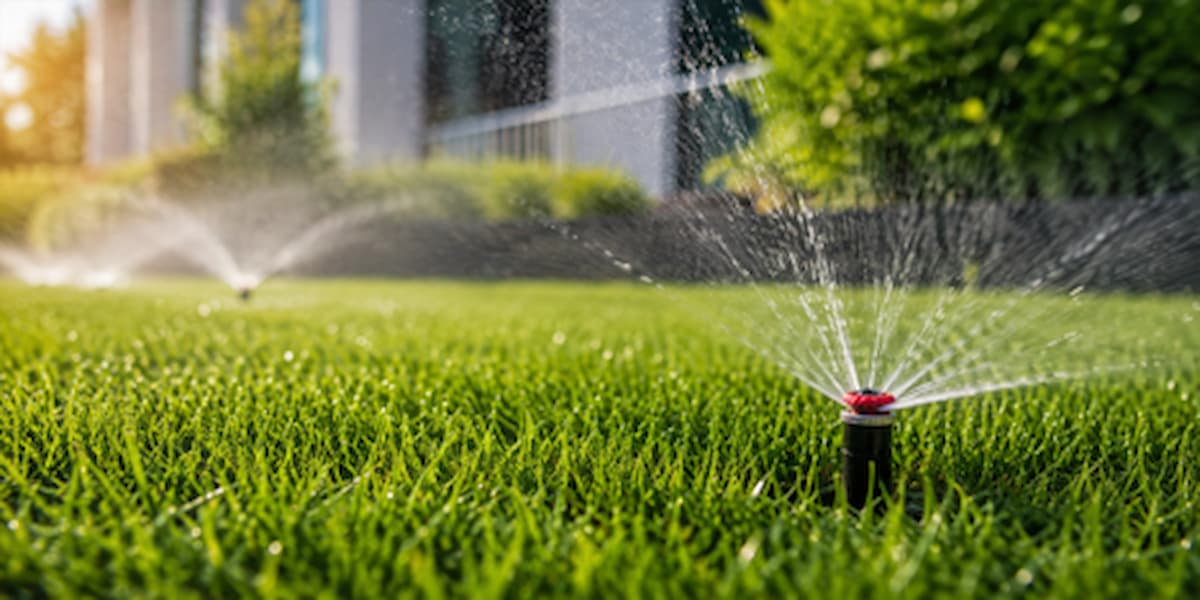
The scope of professional lawn care services extends well beyond a weekly mow and edge. A properly structured lawn care program covers soil assessment and amendment, seasonal aeration to relieve compaction, fertilization timed to the growth cycle of the grass variety on the property, pre-emergent and post-emergent weed control applied at the points in the season where they are most effective, and irrigation oversight that adjusts for seasonal water demand rather than running a fixed schedule year-round.
Each of these elements affects the others. Fertilization applied to compacted soil does not reach the root zone effectively. Irrigation run on a fixed summer schedule through a cool, wet June wastes water and promotes fungal conditions that a correctly calibrated system would avoid. Weed control applied at the wrong point in the season treats visible weeds without addressing the germination pressure that will replace them within weeks.
Professional lawn care approaches these elements as a connected system rather than a list of independent tasks. That systems-level thinking is what separates a lawn that performs consistently from one that requires constant intervention to look acceptable.
Why Soil Health Is the Variable Everyone Skips
The condition of the soil beneath the turf surface is the primary determinant of how well grass grows, how efficiently it uses water and nutrients, and how resilient it is under seasonal stress. It is also the variable that receives the least attention in most residential and commercial lawn care programs.
Clay-heavy soils common to the Snohomish County area compact under foot traffic, equipment weight, and the freeze-thaw cycles that western Washington winters reliably deliver. Compacted soil resists root penetration, drains poorly, and creates the surface conditions where moss and broadleaf weeds establish more readily than turf grasses. A lawn that has been mowed and fertilized for years on compacted soil is operating at a fraction of its potential.
Core aeration, ideally timed in early fall or late spring for the Pacific Northwest climate, physically relieves compaction by removing small plugs of soil and creating channels for air, water, and nutrients to reach the root zone. The improvement in turf performance following a properly timed aeration is often visible within a single growing season, particularly on properties where compaction has been a long-standing condition.
Seasonal Timing and Why It Determines Results
Lawn care is not the same task performed repeatedly. It is a sequence of different interventions matched to the growth cycle of the grass and the seasonal conditions of the region. Getting the timing right is what makes each intervention effective. Getting it wrong means spending money on inputs that either arrive too late to matter or create conditions the turf is not ready to benefit from.
| Season | Priority Task | Why Timing Matters |
| Early Spring | Pre-emergent weed control | Apply before soil temps reach 55 degrees for maximum effectiveness |
| Late Spring | Fertilization + overseeding thin zones | Cool temps support establishment before summer heat stress |
| Summer | Irrigation calibration + spot weed treatment | Fixed schedules over-water in cool weeks and under-water in dry stretches |
| Early Fall | Core aeration + overseeding | Best establishment window for cool-season grasses in the Pacific NW |
| Late Fall | Final fertilization | Root-zone feeding supports recovery and spring green-up |
Fertilization, Weed Control, and Getting the Sequence Right
Fertilization and weed control are the two lawn care inputs that produce the most visible results and are also the most commonly misapplied. The mistakes tend to cluster around timing and product selection rather than application technique.
Pre-emergent herbicide applied correctly in early spring prevents crabgrass and other annual weed seeds from germinating. Applied too late, after soil temperatures have already allowed germination to begin, it has minimal effect on the current season’s weed pressure. Applied too early, before soil temperatures are in the target range, it breaks down before the germination window arrives.
Fertilization follows a different logic. Cool-season grasses common to western Washington benefit most from fall fertilization, when roots are actively growing and the plant can store nutrients for the following spring. Heavy spring fertilization pushes top growth at the expense of root development and increases mowing frequency without necessarily improving turf health. Understanding which inputs benefit the plant versus which inputs produce visible output is one of the practical advantages of working with an experienced lawn care provider.
How to Evaluate Lawn Care Maintenance Near You
Searching for lawn care maintenance near me returns a wide range of providers, and the differences between them are not always apparent from a website or a quote. The questions that reveal the most about a provider’s approach are specific and practical.
Ask whether they assess soil conditions before recommending a fertilization program. Ask how they determine aeration timing. Ask whether their weed control program is pre-emergent, post-emergent, or both, and when they apply each. A provider who can answer these questions specifically and connect them to the conditions of your region is operating at a different level than one who offers a standard package applied uniformly across all accounts.
Service agreement structure also matters. A provider offering mowing-only contracts is not delivering lawn care. A provider whose agreement includes scheduled aeration, seasonal fertilization, and weed management with defined timing is offering something substantively different. The distinction is worth understanding before comparing price.
Frequently Asked Questions
What does professional lawn care include beyond mowing?
A complete professional lawn care program includes seasonal fertilization, pre-emergent and post-emergent weed control, core aeration, overseeding where needed, and irrigation oversight. Some providers also include pest and disease monitoring as part of their program. Mowing alone addresses appearance but does not improve turf health or long-term performance.
How do I find reliable lawn care maintenance near me in Everett?
Look for providers who ask about soil conditions, explain their seasonal timing rationale, and offer service agreements that include more than mowing. Reviews that specifically mention turf improvement over time, rather than just timely arrival and tidy edges, indicate a provider who is delivering genuine lawn care rather than basic maintenance.
How often should a lawn be aerated in the Pacific Northwest?
Most lawns in the Snohomish County area benefit from aeration once per year, ideally in early fall before overseeding if the turf needs thickening. High-traffic areas or properties with dense clay soil may benefit from aeration twice annually, in spring and fall. We assess each property individually before recommending a schedule.
When is the best time to overseed a lawn in Everett?
Late August through September is the optimal overseeding window for the Everett area. Soil temperatures are still warm enough to support germination, fall rains reduce irrigation demand during establishment, and the new grass has time to develop root systems before winter slows growth. Overseeding immediately after aeration improves seed-to-soil contact and shortens establishment time.
How do professional lawn care services handle weed control?
A structured weed control program uses pre-emergent herbicide applied before annual weed seeds germinate, typically early spring when soil temperatures approach 55 degrees, followed by targeted post-emergent treatment for any broadleaf or grassy weeds that establish through the season. The approach is timed and targeted rather than reactive, which reduces total herbicide use and produces better results.
The Lawn That Performs Year-Round Starts with the Right Program
The difference between a lawn that looks good in May and one that holds its condition through August and into fall is almost always in how it was managed during the months before those visible results appeared. Soil health, seasonal timing, and a structured approach to fertilization and weed control are the inputs that determine long-term turf performance.
At Perfect Touch Landscapes, our professional lawn care services are built around what each property’s turf and soil actually need rather than a fixed package applied uniformly. If you have been searching for lawn care maintenance near me and want a program that improves your lawn’s condition over time rather than just maintaining its current state, we are the right conversation to start.