What October Asks of a Commercial Landscape and How to Answer It Well
October arrives in the Pacific Northwest with a particular quality of light, lower now and more considered, and with the canopy beginning its annual redistribution of what summer held aloft. The land is communicating something about its readiness for rest, and a commercial landscape that has been well-maintained through the growing season earns a different kind of rest than one that has been merely managed. Professional fall cleanup landscaping services from Perfect Touch Landscapes are how that distinction gets made. The preparation that happens in October sets the baseline the property carries through six months of Pacific Northwest weather, and that baseline has a long memory.
What October Reveals That Other Months Conceal
A commercial landscape in October is a legible document. Summer has just finished writing it.
The turf records the irrigation season’s performance in its density and color. Zones that received consistent, correctly aimed water are thick and even. Zones that dealt with coverage gaps, compaction, or shade stress are thin, pale, and honest about it. The beds show where maintenance was regular and where it was occasional. The drainage infrastructure presents its accumulated organic inventory to anyone who looks before the rain season arrives and makes the presentation more dramatic.
This is the most useful moment in the landscape calendar for assessment. The evidence is fresh. The urgency of the growing season has passed. And the work that happens now, before the rains settle in and the canopy deposits its annual contribution, determines what the property looks like when spring attempts to begin again.
What a Complete Fall Cleanup Includes
Fall cleanup landscaping services at the commercial scale are a broader scope than a leaf blowing visit. They are a preparation exercise, and preparation requires engaging with the property’s actual condition rather than its most visible surface.
A complete commercial fall cleanup covers:
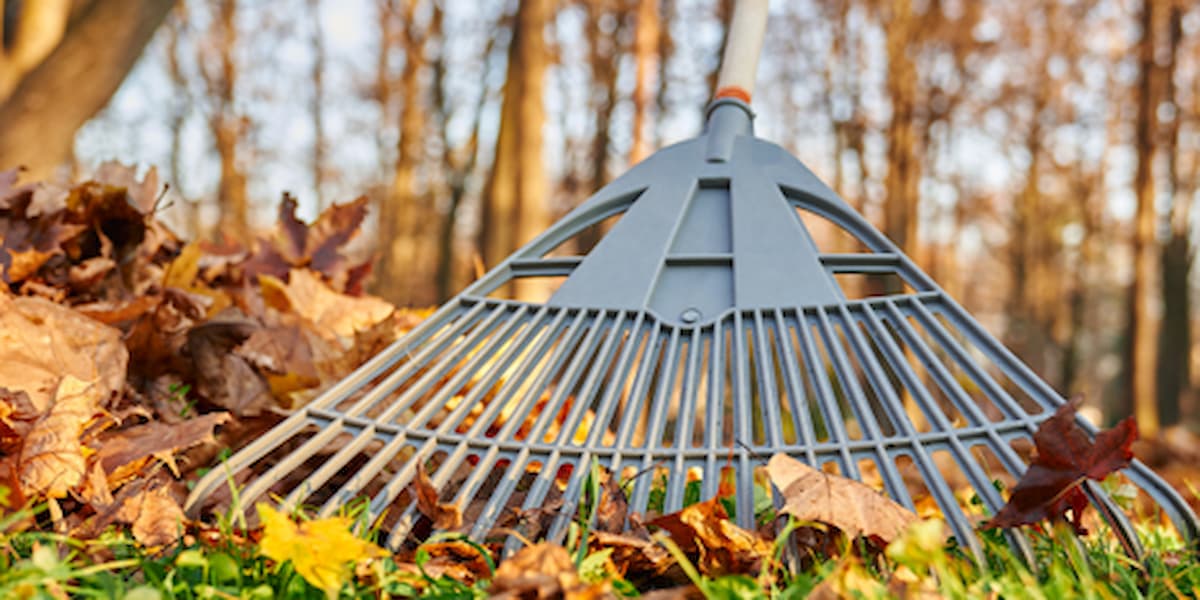
- Full debris clearance from all turf zones, including areas under canopy where accumulation concentrates
- Cutting back dead perennial stems and spent ornamental grasses before winter compresses them against the soil
- Planting bed clearing of decomposing leaf material that creates overwintering disease conditions
- Summer annual removal and bed preparation for fall planting where scheduled
- Mulch depth assessment and top-up to two to three inches across all planted beds
- Edge definition along bed borders and turf transitions before winter growth blurs them
- Final mow at an appropriate dormancy height for cool-season grasses
- Fall fertilization timed to soil temperatures that still support root uptake
The Drainage Work That Cannot Be Separated from Cleanup
Drainage infrastructure and fall cleanup occupy separate budget lines on most commercial maintenance agreements. This is an accounting arrangement with no relationship to how drainage problems actually develop.
A catch basin grate blocked at half capacity by summer’s accumulated organic material handles normal flow without complaint. It handles the first significant November rain event the way a drain handles a bathtub emptied through a straw. The flooding that follows is attributed to heavy rainfall. The maintenance visit that would have prevented it is attributed to a future budget cycle.
We include drainage outlet inspection and clearing as part of every commercial fall cleanup. Downspout connections, catch basin grates, and subsurface outlet points that have been collecting debris since April are all addressed in the same service window as the turf and bed work. The alternative is paying for the consequences as emergency items after the first storm of the season.
How Fall Turf Preparation Shapes Spring Performance
The turf’s relationship with winter is determined largely by what happens to it in October. Grass entering dormancy at the correct height, with nutrients stored at the root zone from a properly timed fall fertilization, carries that stored energy through the cold months and releases it in spring with a speed and density that reflects the preparation it received.
Turf that goes into dormancy long and unfertilized, under a wet leaf mat that blocks both light and air circulation, enters a different kind of winter. The fungal conditions that develop under compressed wet leaves in November manifest in spring as circular dead patches in shapes the leaf accumulation took. The connection is real even when it is invisible for six months.
Fall fertilization applied in October when soil temperatures remain above 50 degrees is one of the highest-value inputs in the annual turf program. It is also one of the most commonly skipped, usually because the visible effect is not immediate. The effect arrives in April, when the lawn starts rather than resumes.
What Our Landscaping Fall Cleanup Program Delivers
Our landscaping fall cleanup program at Perfect Touch Landscapes is structured as a preparation exercise, not a single clearance visit.
| Zone | Scope | Timing |
| Turf | Debris clear, final mow, fall fertilization | October; fertilization before soil temps drop below 50°F |
| Planting beds | Cutback, mulch top-up, full leaf removal | Before first freeze; before main canopy drop peaks |
| Hardscape | Blowing and pressure wash scheduling | October before leaf volume peaks |
| Drainage | Outlet clearing, catch basin inspection | September through October, before rain season |
| Irrigation | Winterization coordination | October, before first freeze risk |
Timing and Why It Changes Everything
The fall cleanup window in Snohomish County runs from late September through mid-November. Within that window, there is a meaningful difference between scheduling in early October and scheduling in late October.
Early October allows fertilization while soil temperatures still support root uptake. It catches the first debris load before wet weather compresses it. It clears drainage infrastructure before the rain season tests it. And it secures crew availability before every other commercial property in the county reaches the same conclusion simultaneously, which they do, reliably, around the third week of October.
Late October cleanup is still better than no cleanup. But it addresses conditions that have already been developing for several weeks, on a schedule that competes with everyone else’s delayed recognition that fall arrived on time again this year.
Frequently Asked Questions
How many fall cleanup visits does a commercial property typically need?
Most properties benefit from two: one in early October to catch the first debris load and prepare turf and beds before the main canopy drop, and one in late October to early November to clear what the maple and ornamental trees deposited after the first visit. Properties with minimal deciduous canopy can often manage with one well-timed visit. We assess each property’s tree composition before recommending a schedule.
Can fall fertilization be applied during the cleanup visit?
Yes, and we coordinate it that way on most commercial accounts. The October cleanup visit is the right moment for fall fertilization because soil temperatures are still in the effective uptake range. Applying fertilizer later in fall, after soil temperatures have dropped significantly below 50 degrees, reduces its effectiveness at the root zone. We do both in the same service window where conditions allow.
What is the difference between fall cleanup and regular maintenance visits?
Regular maintenance visits sustain the property through the growing season. Fall cleanup is a more intensive reset that prepares the property for winter dormancy. It covers scope that regular visits do not, including full bed cutback, drainage infrastructure inspection, mulch depth correction, and the documentation that informs the spring maintenance plan. It is the closing chapter of one season and the opening condition of the next.
Does fall cleanup include removing summer annual plantings?
Yes. Summer annuals that have exhausted their season are removed as part of the bed preparation scope. Where fall or winter color plantings are scheduled, bed preparation is coordinated to follow annual removal. Leaving exhausted summer annuals in place through winter creates disease conditions in the bed and makes spring installation more labor-intensive than it needs to be.
How does fall cleanup affect our spring maintenance budget?
Directly and measurably. Properties that complete thorough fall cleanup consistently require less corrective work in spring. Beds properly cleared and mulched in fall do not need the full reset that neglected beds require in March. Drainage inspected in fall does not produce the water damage that uninspected infrastructure can generate through winter. The spring budget goes further when it is not first consumed by corrections that a proper fall program would have prevented.
The Land Does Not Ask Complicated Things of the People Who Tend It
It asks to be understood in its season. Cleared when it needs clearing. Fed when the roots are still listening. Left with the kind of order that makes its dormancy a rest rather than a period of accumulated neglect.
Perfect Touch Landscapes provides fall cleanup landscaping services structured around what the property’s specific canopy, soil, and seasonal conditions actually require. The soil temperatures are still cooperative. The canopy has not yet made its full contribution to the workload. October is the month to act on it, and the scheduling window is open now.